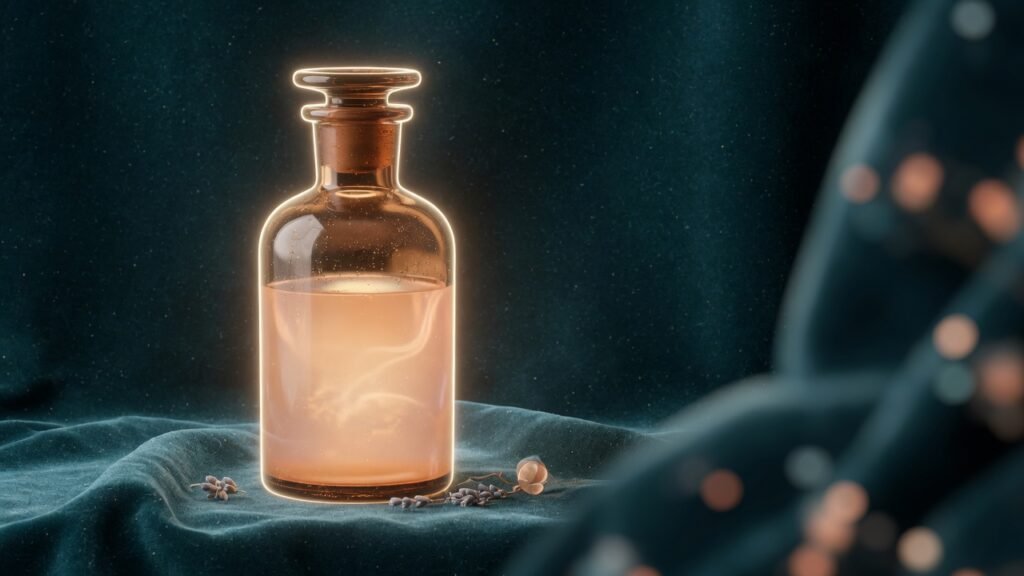
Silver is one of the few materials that has stayed recognisable across almost every chapter of human making. It shows up in early metalwork, in tableware and ceremonial objects, in coins, in photography, in electronics, and — much later — in labelled retail liquids sold with concentration printed in parts per million. That long continuity is interesting. It is also easy to misuse.
This note is a calm map of silver as a material and cultural object: what people have historically done with it, how modern products talk about silver differently, and how a single UK brand like Silvaris chooses to stay on the product-specification side of the line rather than the folklore side.
Educational product information only. Silvaris does not claim to diagnose, treat, cure or prevent any disease. Always follow the directions on the bottle.
Silver as material culture, not a slogan
When archaeologists and historians talk about silver, they are usually talking about craft and economy: mining and refining, smithing, trade routes, prestige display, and the practical advantages of a workable, bright metal. Silver vessels for water and wine appear in many cultural traditions. Royal and aristocratic households used silver tableware as both utility and status. None of that automatically translates into a modern shopping claim. Material history explains recognition; it does not write a product label.
That distinction matters online. Search results still surface dramatic essays that collapse three thousand years of metalwork into a single “benefit.” A responsible product site should refuse that collapse. History can be educational. The bottle you buy must still be described by volume, concentration, packaging, and manufacturer directions.
From vessels to industry
As metallurgy industrialised, silver’s story widened. It became a photographic material, an electrical conductor, a component in alloys, and a subject of laboratory chemistry. Parallel to that industrial path ran a pharmacy and household-product path: preparations and colloids described in period literature, then later constrained by modern advertising and medicines rules that limit disease claims for retail goods.
If you want the long visual arc — ancient vessels, medieval craft, early modern experiments, pre-antibiotic popularity, and the antibiotic century — Silvaris keeps that on a dedicated history timeline. The timeline is deliberately educational. It is not a clinical manual.
What changed in the twentieth century
Popular memory often jumps from “silver was everywhere” to “antibiotics arrived.” That simplification hides a quieter truth: silver never left industry. What left the centre of everyday consumer storytelling were unregulated health narratives. Regulation, professional medicine, and modern consumer law all pushed retail product language toward composition and use directions rather than cure stories.
That is why a 2020s UK product page should sound boring in the best sense: millilitres, parts per million, glass type, storage, shipping. Boring is honest. Hype is a liability.
Colloidal silver as a labelled product category
Today’s “colloidal silver” products are sold as liquids with a stated concentration and volume. Brands differ in how they manufacture, how they package, and how carefully they write labels. Shoppers compare ppm numbers, bottle photos, and seller trust signals. That is a retail literacy problem more than a mythology problem.
Silvaris’s answer is deliberately narrow. One product: 500ml at 20ppm in amber glass. One UK shop. Educational copy around the product. No multi-SKU maze. No disease claims. The history of silver can sit nearby as context; it does not get to rewrite the label.
How to read silver content without getting lost
- Separate eras. Vessel lore, industrial chemistry, and modern ecommerce labels are three different genres of writing.
- Prefer numbers. Volume in ml and concentration in ppm beat nicknames and secret codes.
- Look at packaging. Amber glass is a practical light-limiting choice used across specialty liquids; it is not a magic symbol.
- Check the seller. Contact route, returns policy, and clear photos of the actual bottle matter more than a viral headline.
- Ignore ranking claims. “Best for X condition” is not a specification. Specifications are measurements and directions.
Why Silvaris still talks about history at all
Because people arrive with questions. They have seen silver cups in museums or read a dramatic article. Answering with silence leaves the dramatic article unopposed. Answering with education — timeline, glossary, label literacy — gives a better default. The goal is not to impress with antiquity. The goal is to keep expectations adult: this is a clearly labelled product, sold carefully, described without theatre.
If you want process language (water, electrodes, process control toward a labelled concentration), start with the colloidal silver guide. If you want the cultural arc, open the history page. If you want the product itself, stay with the bottle.
A short closing discipline
Silver’s past is long. Your purchase decision should be short: do you want this labelled bottle from this UK seller, at this volume and concentration, in this packaging, with these policies? Everything else is context. Context can be beautiful. Context should never outrun the label.
Shop Silvaris Colloidal Silver — 500ml · 20ppm · amber glass · UK dispatch.