Cultural history first
We start with vessels and tableware — how silver appeared in homes — not with modern product claims.
Educational timeline
From ancient silver vessels to a modern labelled bottle — six eras of cultural and scientific history. Written for clarity. Educational only; not medical advice.
How we wrote this
We follow threads commonly found in silver-history guides — vessels, tableware, early colloids, antibiotics, and modern labelling — and rewrite them in plain English. No cure lists. No disease claims.
We start with vessels and tableware — how silver appeared in homes — not with modern product claims.
Colloids get a name in the lab era; antibiotics and later labelling rules change what sits on a shelf.
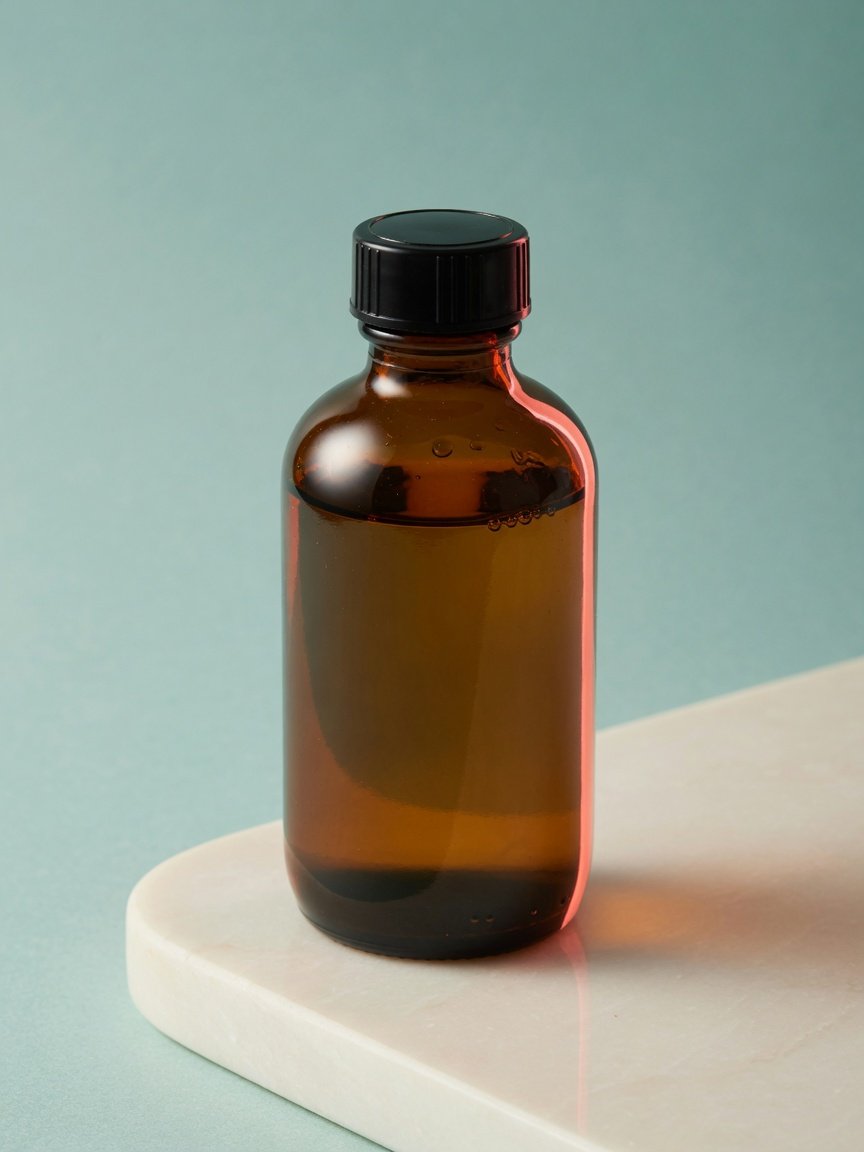
The timeline ends where Silvaris begins: ppm, volume, amber glass, and directions on the bottle.
At a glance
Six chapters below. Tap a card to jump, or keep scrolling.
Ancient world 0%
Chapter journey
Scroll the full-screen chapters, or jump from the side rail. Each era builds on the last — from vessels to a modern label.
Begin the storyc. 4000 BCE
Persia, Babylon & the Mediterranean
Before “ppm” existed, silver already lived in the cup.
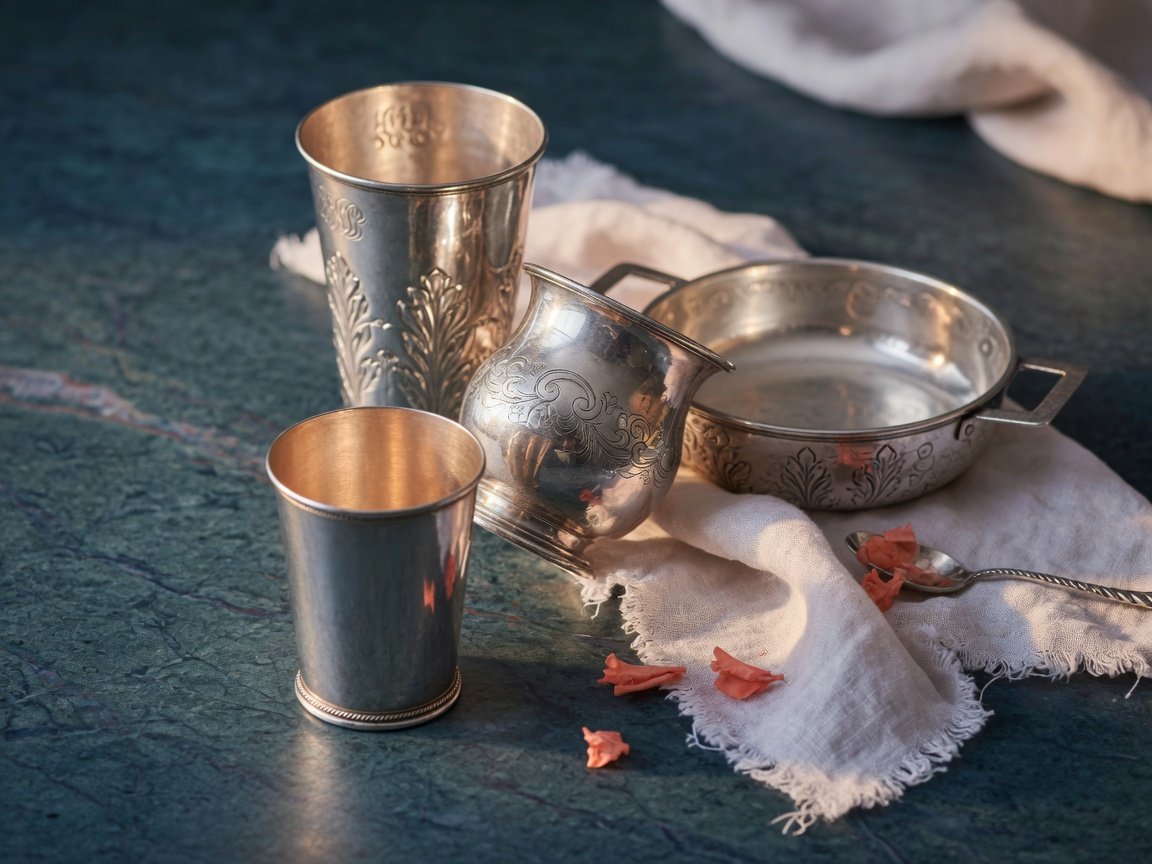
Long before the word “colloidal” existed, silver appeared in daily life as metalware. Historical guides often cite Eastern Persian accounts of storing water in silver vessels, and similar vessel culture in Babylonian and Greek settings.
Cups, bowls and storage pieces were status objects as well as tools. The idea was practical for the time: keep liquids in silverware when refrigeration did not exist. That is the deep root of the story — vessels first, bottles much later.
Milestones
Courts & kitchens
Palaces, courts & hereditary households
The kitchen kept the lore when the laboratory did not yet exist.
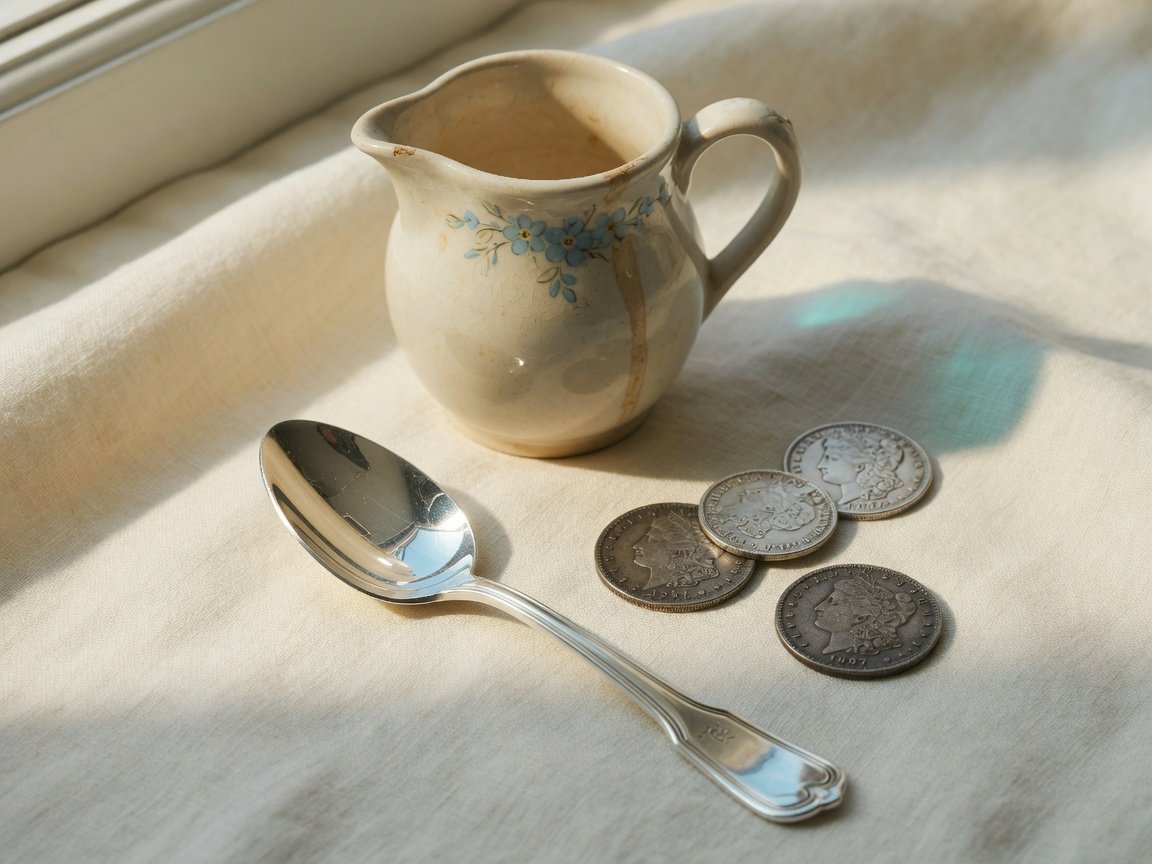
For centuries, silver entered food and drink through tableware: plates, cups and utensils in royal and wealthy households. Some historical guides also describe powdered silver mixed into water — custom and craft, not a modern product range.
Later folk language linked aristocracy with “blue blood.” Guides often retell this as cultural lore about continuous contact with silver utensils versus earthenware or iron among poorer households. Whether metaphor or half-remembered observation, the association stuck: silver meant rank, and rank meant silver at the table.
Milestones
1500s–1800s
Apothecaries & early chemistry
Curiosity arrived before standardisation.
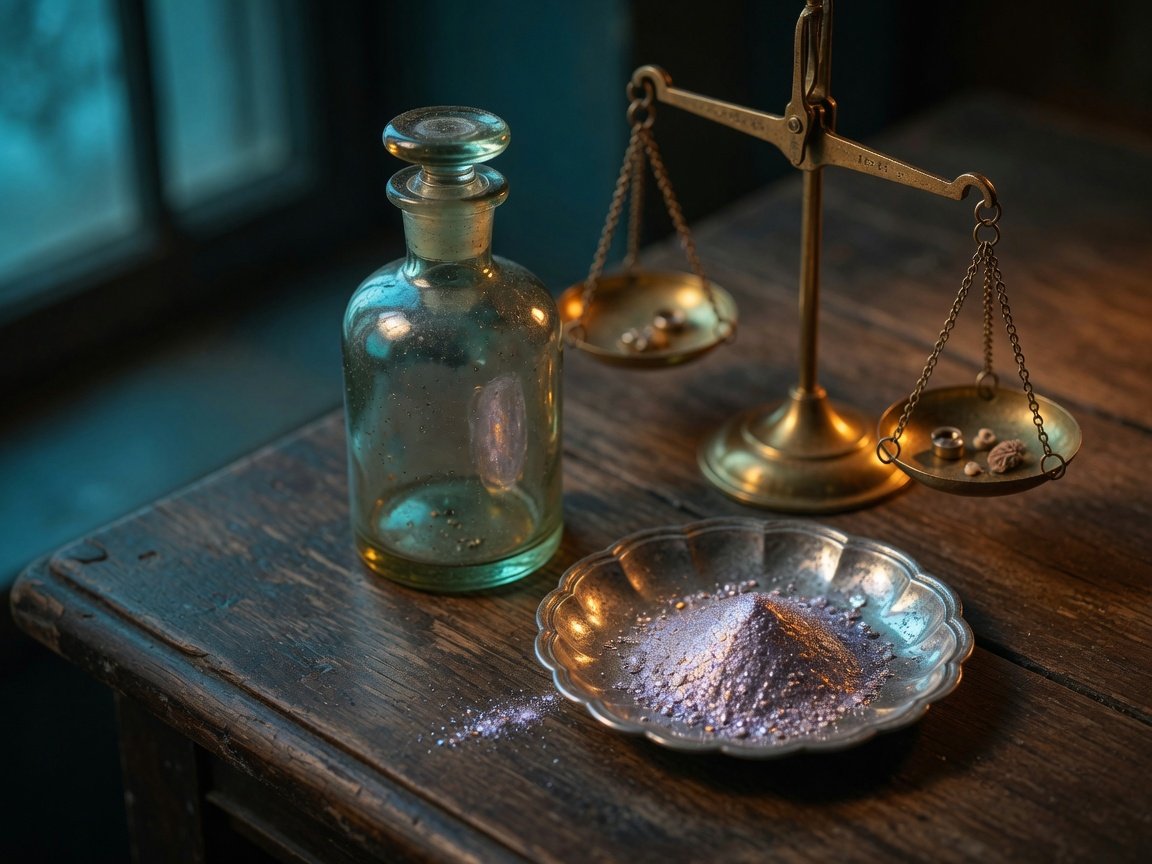
As craft edged toward chemistry, silver left the tableware tray and entered preparation lists. Powders, salts and solutions appear in apothecary culture. The language mixed lunar symbolism with weighing and dissolving — the goal was a prepared form of silver, not only a cup.
This is the conceptual ancestor of later colloids: fine particles or dissolved forms intended for controlled use. Standardisation was weak; curiosity was strong; access stayed limited for ordinary households.
Milestones
Late 1800s–1930s
Laboratories, catalogues & clinics
When science named the suspension, the story changed.
By the late nineteenth and early twentieth centuries, “colloidal” had a clear scientific meaning: extremely fine particles suspended in a liquid. Commercial silver colloids and related preparations appeared in catalogues and period literature.
Historical summaries often place relatively common American use from the late 1800s into the 1930s — before mass-produced antibiotics reshaped everyday practice. Period journals discussed silver preparations of the day; costs could be high, which limited who could buy them.
Milestones
1929–1990s
Medicine, industry & regulation
When the toolkit changed, the spotlight moved.
Alexander Fleming’s penicillin (1929) and wartime mass production in the 1940s opened the antibiotic era. As chemical antimicrobials took centre stage, many older silver preparations left everyday medical practice — not because industrial silver disappeared, but because the clinical toolkit changed.
By the late twentieth century, regulators also tightened claims. In the United States, late-1990s FDA actions restricted over-the-counter silver products that claimed to prevent or treat disease; products could still be sold without disease claims. That legal chapter is one reason modern labels stress composition (ppm, volume, storage) rather than cure lists.
Milestones
Today
Specialty retail · clear packaging
History is long. Our catalogue is not.
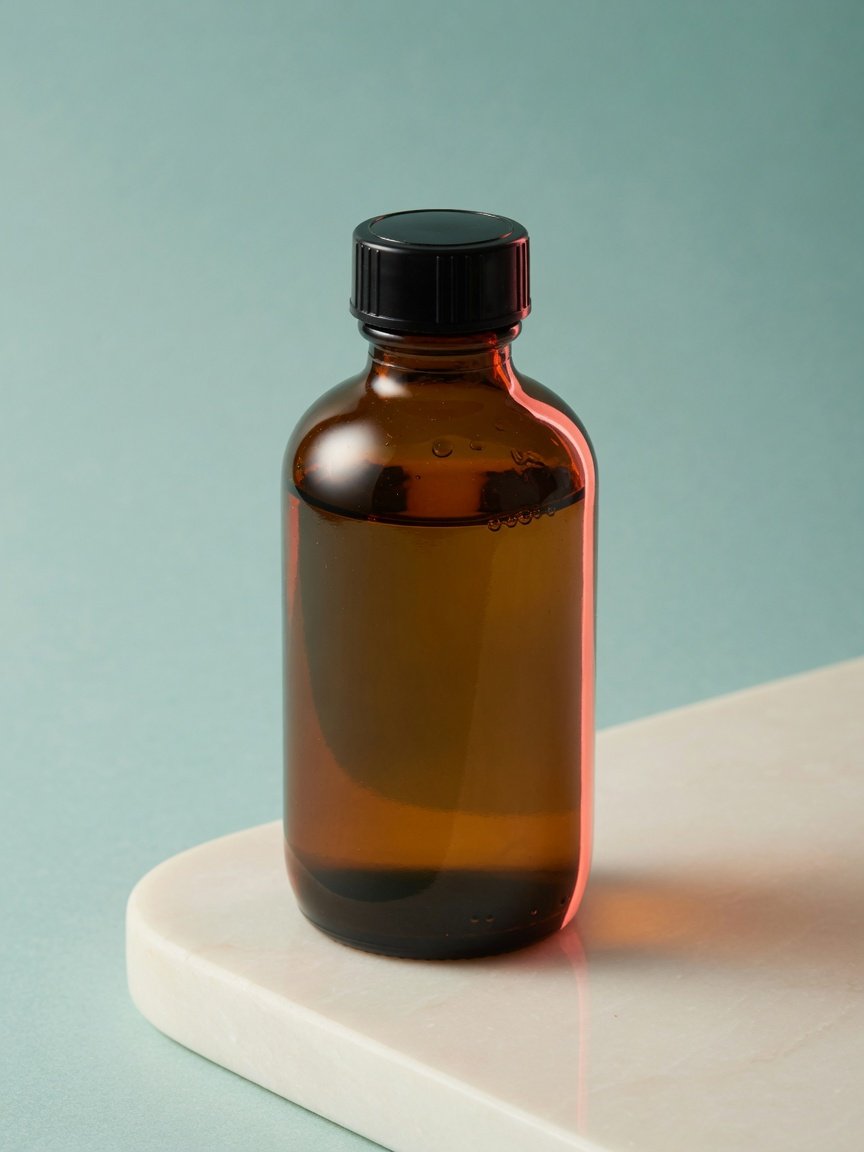
Today, buyers usually meet colloidal silver as a labelled product: particles suspended in water, concentration in parts per million, volume on the bottle, and storage advice such as keep closed and away from strong light.
Silvaris makes one choice: Colloidal Silver 500ml at 20ppm in amber glass. Not a multi-SKU catalogue — one product, clear specs, use as directed on the label. History explains how we got here; the bottle explains what you are buying.
Milestones
End of the timeline
One product continues the story: 500ml · 20ppm · amber glass.
In brief
The early story is cups, spoons and storage — how silver sat in homes — not a modern product range.
“Colloidal” names a type of suspension. That vocabulary arrives with laboratories and catalogues.
Antibiotics and later labelling rules changed what products could say — and how bottles are described today.
We sell one SKU: 500ml · 20ppm · amber glass. History is long; the catalogue is not.
Visual notes
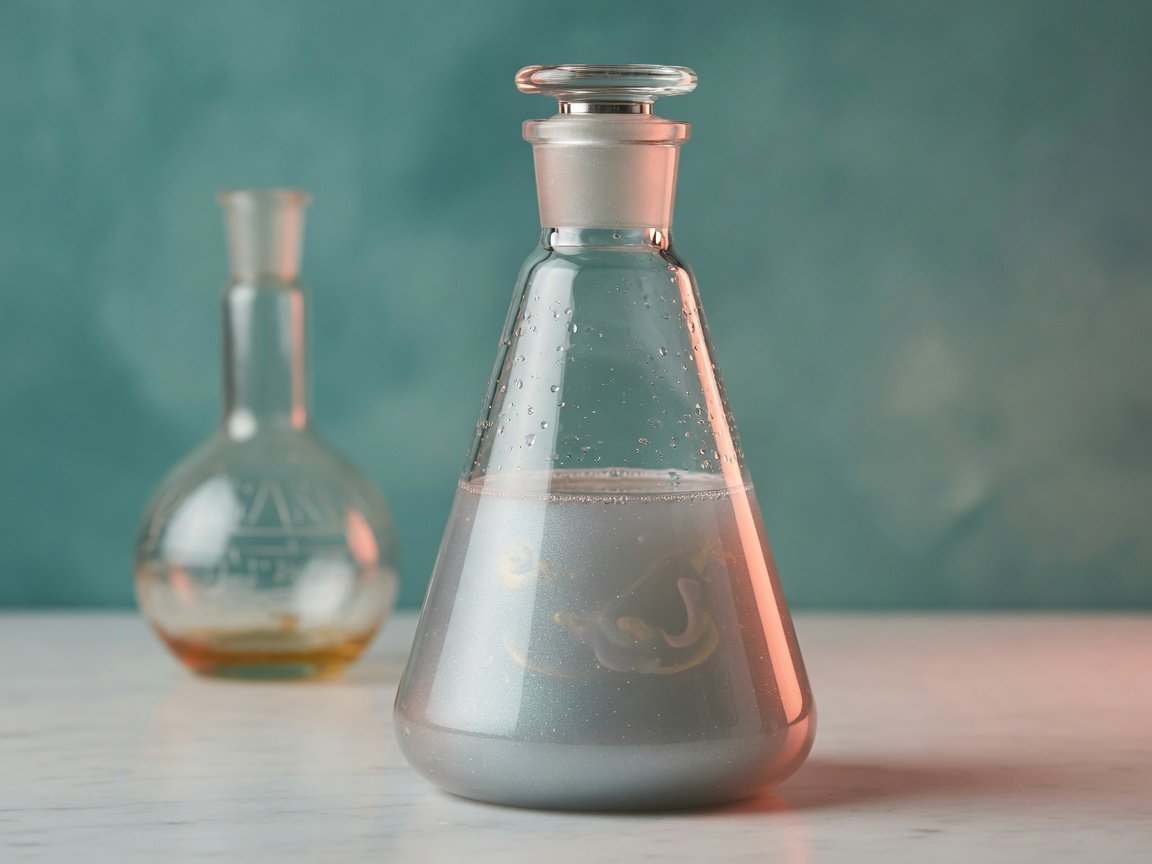
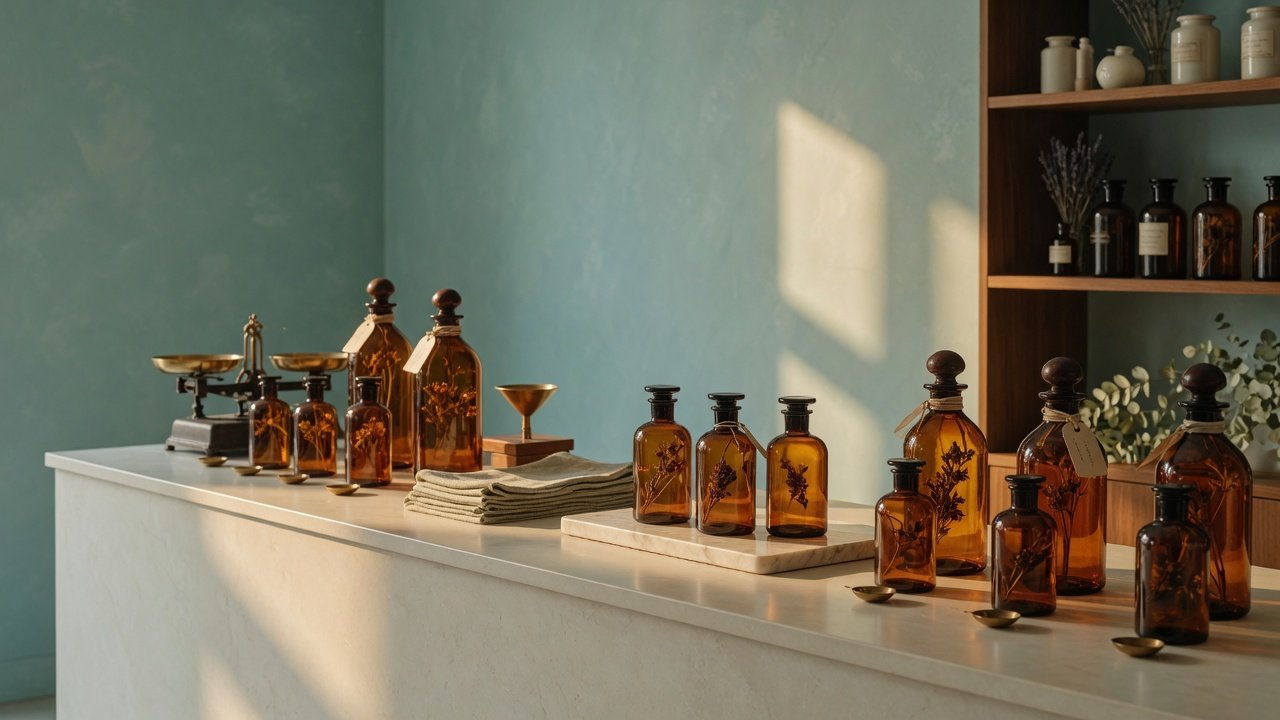
A visual path through the eras above — vessels, craft, laboratories, and the bottle today.
Quick check
A short recap of the timeline. No scores are stored.
Historical guides often place silver vessel water storage as early as…
Yes — ancient vessel practice is where this timeline begins.
Not quite — think early civilisations and silver water vessels.
What does “ppm” mean on a modern label?
Correct — concentration language on modern bottles.
Try again — parts per million.
What does Silvaris sell?
Correct — one product, £17.00 as shown.
Silvaris is deliberately a single product.
Recap complete — thanks for reading.
FAQs
Quick answers about the timeline — not product medical advice.
Historical guides often cite silver vessel use for water storage as early as about 4000 BCE, with related metalware culture in Persian, Babylonian and Greek settings. That is the starting point of this timeline — vessels, not modern bottles.
A colloid is a suspension of extremely fine particles that stay dispersed in a liquid. On modern labels, concentration is usually stated in parts per million (ppm).
Historical summaries often place relatively common American use from the late 1800s into the 1930s, before mass-produced antibiotics reshaped everyday practice.
Penicillin (1929) and mid-century antibiotics changed the clinical toolkit. Silver remained important in industry. Retail colloids later faced stricter rules on disease claims, so modern labels focus on composition and directions.
One product only: Colloidal Silver 500ml at 20ppm in amber glass. £17.00 tax included as shown. Use as directed on the bottle.
No. This page is educational history only. Silvaris does not claim to diagnose, treat, cure or prevent any disease. Follow the product label and speak to a qualified professional for health decisions.
Then & now
Silver lived in cups, spoons and court tableware — custom and culture, not a modern product label.
Science defined the suspension; catalogues sold preparations. Antibiotics and regulation later changed the shelf.
500ml · 20ppm · amber glass. One SKU, plain language, directions on the bottle.
Today
A long material history ends, for us, with one clear bottle: Colloidal Silver 500ml at 20ppm in amber glass.
Educational history only. Silvaris does not claim to diagnose, treat, cure or prevent any disease. Always follow the product label.
Stay in the loop
Occasional notes about Silvaris — restocks, packaging, nothing spammy. Unsubscribe any time.